New press release live from UNOC: Read here



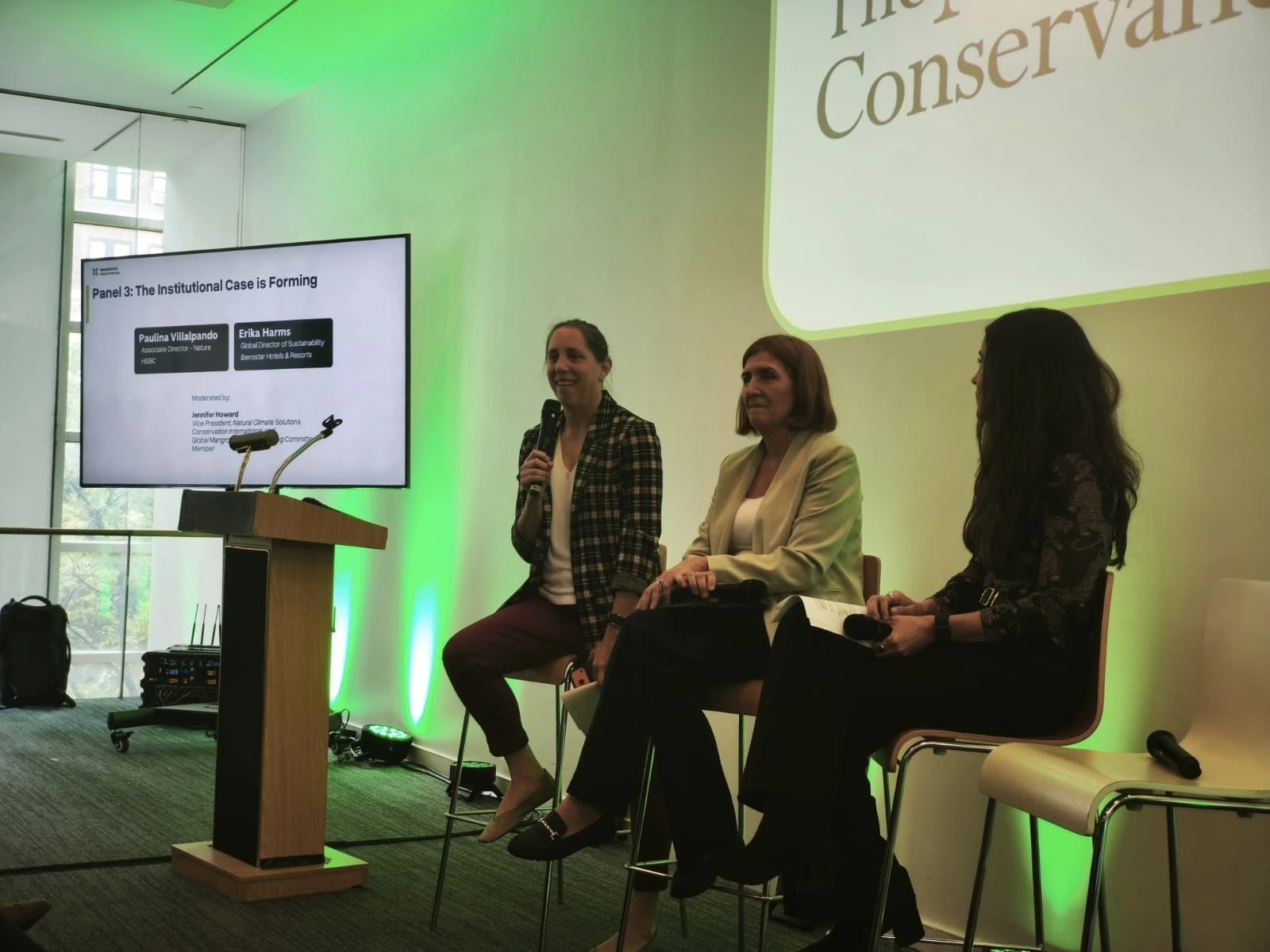
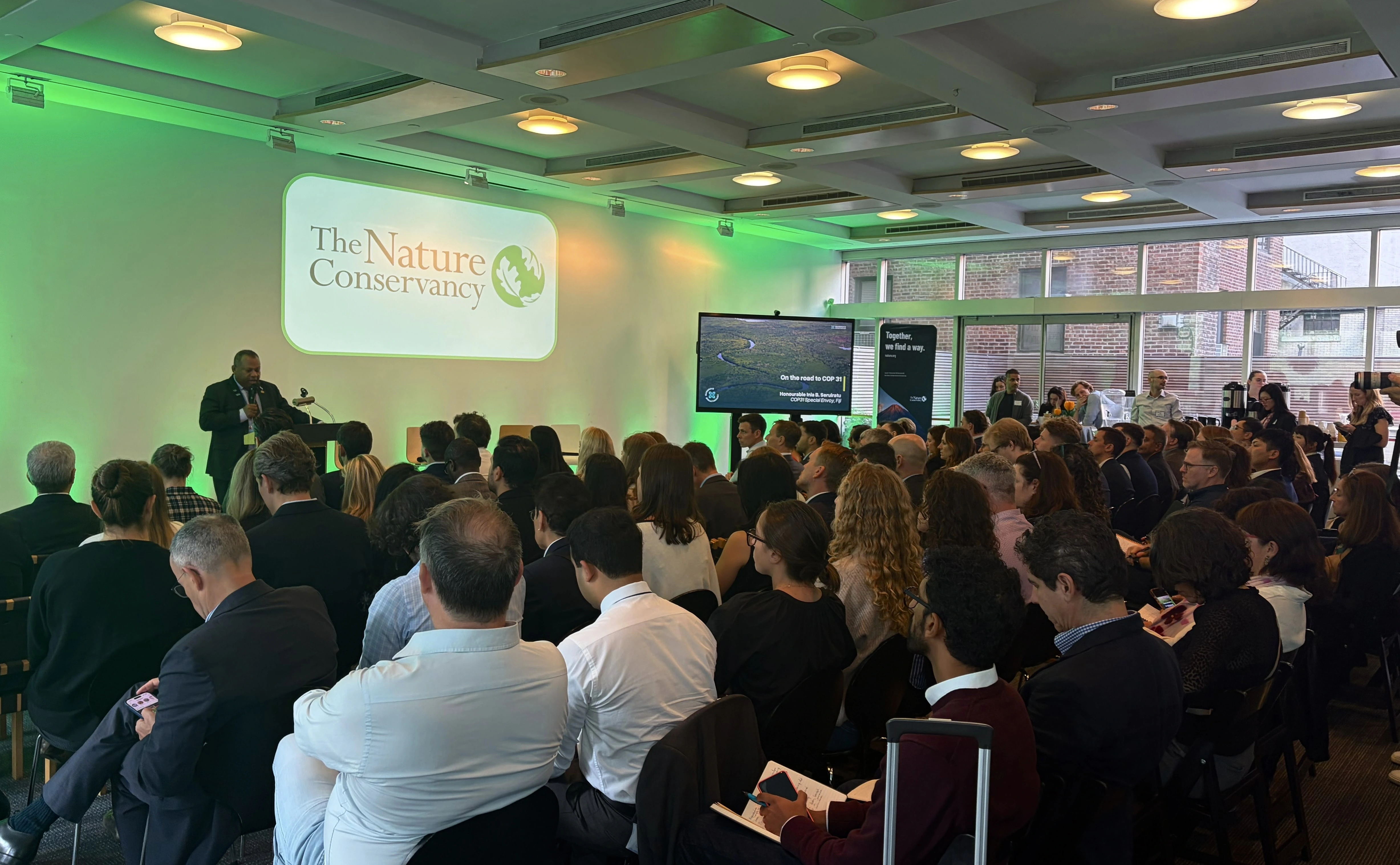
The Mangrove Breakthrough (MB), alongside its partners, hosted its flagship event during Climate Week NYC, demonstrating that the case for investing in mangroves is no longer theoretical.
In partnership with the Global Mangrove Alliance (GMA), Restor, Capital for Climate (C4C), Magnitude Global Finance, and The Nature Conservancy, Rooted in Resilience presented concrete progress toward fulfilling the MB’s goal of mobilizing USD 4 billion for mangroves by 2030, as well as building the market architecture needed to turn that ambition into investable opportunities.
A global pipeline of mangrove-positive investments is taking shape, deals are closing at an increasing rate, public-sector backing is growing, and financial institutions are rethinking how mangroves fit into their balance sheets. This momentum is encouraging, but investment must still accelerate to meet the MB's targets.
“The barrier to mangrove finance is not a shortage of capital but rather a problem of market architecture,” said Mangrove Breakthrough Executive Director Ignace Béguin Billecocq. “We have seen systemic shifts over the last few years, and the pieces are now coming together to build a functioning market for mangrove investment.”
Achieving the MB’s USD 4 billion target requires a strong portfolio of investable, high-quality projects. The MB and its partners are building the infrastructure to identify, map, and connect these opportunities with capital.
Earlier this month, the MB, GMA, and Restor launched the Mangrove Projects Portfolio Dashboard, an open-access platform linking investors to high-integrity mangrove conservation and restoration opportunities.
Built on the Global Mangrove Watch dataset, the Portfolio Dashboard draws on scientific data to help investors identify, assess, and fund credible projects with greater confidence.
“With the Portfolio Dashboard up and running, we can showcase more than 300 project sites across 47 countries,” said Claire Descreux, Director of Private Sector Partnerships at Restor. “We are building on the strong data infrastructure developed with our partners to lay the foundations for a critical piece of the global mangrove investment pipeline.”
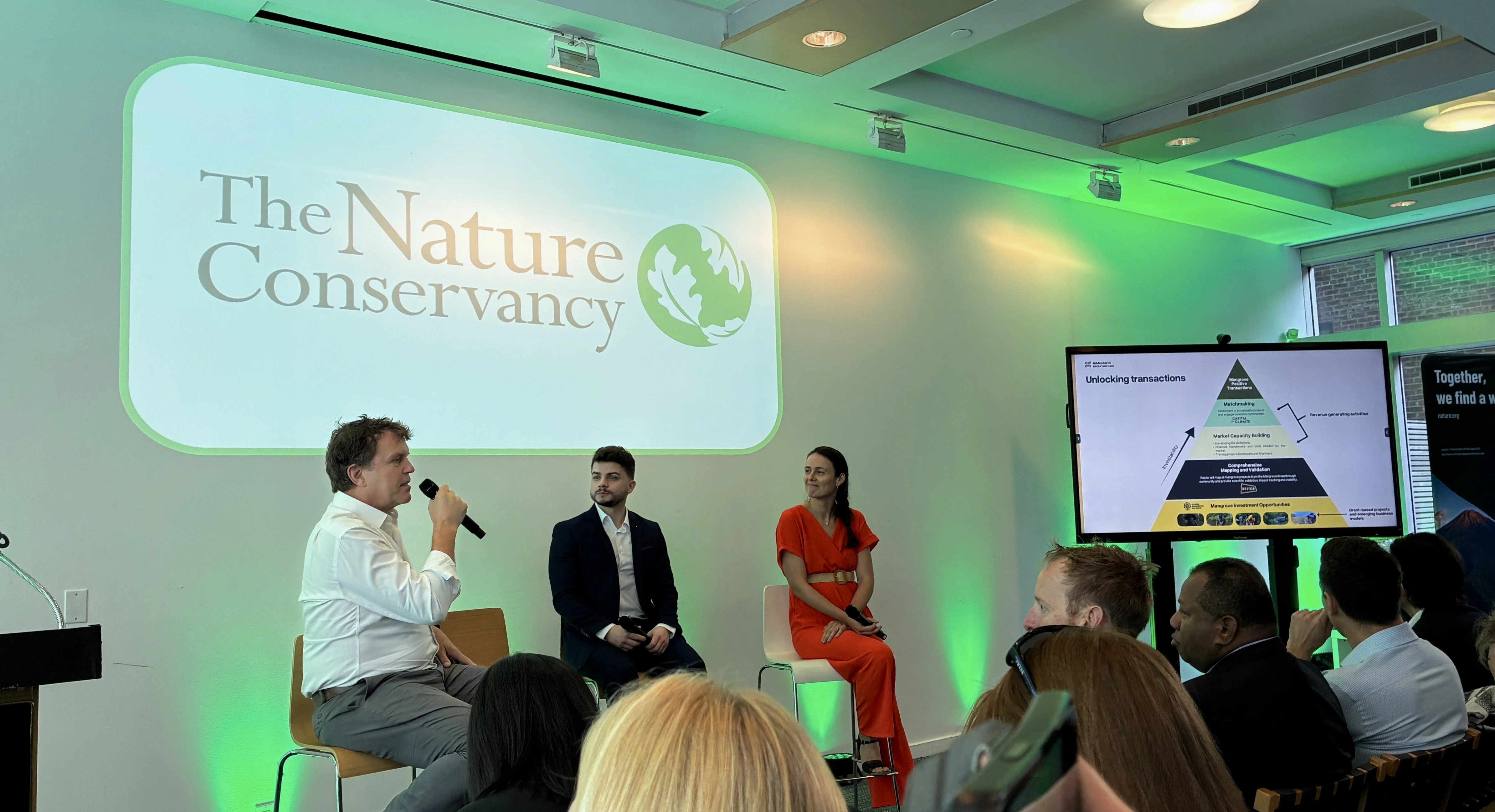
Commercially viable projects identified through the Mangrove Projects Portfolio Dashboard are shared with C4C, which will connect investment-ready projects with investors. C4C screens and strengthens projects before publishing them on its NbS (Nature-based Solutions) Investment Platform, improving their readiness and visibility among institutional investors, including asset managers, banks, private credit funds, and private equity firms.
"Mangroves protect coastlines, store carbon and sustain local livelihoods, yet investors still find few projects ready for capital," said Anna Lúcia Horta, Executive Director, Brazil, at Capital for Climate. "Capital for Climate works with developers and investors to close that gap, reducing information asymmetries and helping high-quality projects reach the capital they need to scale."
This emerging pipeline reflects a wider change in how mangrove ecosystems are valued and financed. Across the public and private sectors, and among project developers, perceptions are shifting in ways that open new avenues to protect, restore, and fund these critical ecosystems.
The financial sector is laying important groundwork. Green bond frameworks, blended finance structures, parametric insurance, and carbon markets are increasingly being adapted for mangroves, giving financial institutions fresh routes to fold conservation and restoration into their investment decisions.
To accelerate private-sector buy-in, the Mangrove Breakthrough has been developing a playbook that helps financial institutions move from instrument to origination — translating mangrove-positive investment theses into concrete guidance for extending finance to end users such as project developers, local intermediaries, and communities.
The public sector has also demonstrated a growing willingness to join this movement. To date, 50 national and subnational governments have endorsed the Mangrove Breakthrough, representing countries and jurisdictions that collectively contain more than 60% of the world’s mangrove extent. Of these, 16 have incorporated mangrove references into their revised Nationally Determined Contributions (NDCs), including 14 with mangrove-specific targets.
Policies such as Indonesia’s PP No. 27 of 2025, which mandates a national inventory and formalizes the mapping of mangrove areas, are also helping establish the enabling conditions for this broader shift.
“Years ago, conversation around the importance of mangrove ecosystems was sparse. Today, they take center stage as protectors of our coasts, local economic engines and carbon-storage powerhouses,” said Sebastian Troëng, CEO of Conservation International. “The energy behind this emerging market — backed in science — will help drive the resources needed to ensure the mangroves we all depend on are protected, conserved and restored at a global scale.”
The Mangrove Breakthrough is pioneering how we, as a global network, protect nature to build resilient communities. It is a global movement to value, finance, and safeguard mangroves. The ambition is to mobilize USD 4 billion to protect and restore 15 million hectares of mangroves by 2030, fostering radical collaboration, advancing science-based financial and regulatory decisions, and investing in local leadership.
The Breakthrough’s Secretariat (“the Hub”) drives this mission by sustaining multistakeholder partnerships and building the infrastructure for lasting impact. The Hub is legally hosted at the Chilean NGO Ambition Loop.
.jpg)